How to access and improve your credit health
The common misconception is that credit is a dangerous form of financing, and you should stay far away from it. However, if you understand credit, you can use it to your advantage. Having a good credit score is a massive building block toward financial independence. This article will discuss why having a good credit score is crucial and how to improve it.
Credit is a financing tool that allows the user to borrow money and pay it back later. You are essentially using someone else’s money to make purchases. In return, the lender expects his money back with interest. The best way to build credit is through a credit card. You need to consider the interest rate and fees and identify if the rewards program attached to the credit facility suits your needs before you take a credit card. Other methods include retail store credit, a cellphone contract and a credit builder loan.
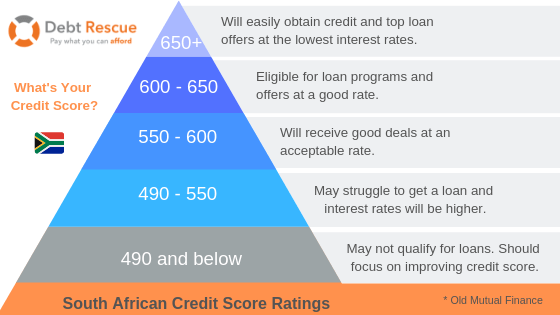
Your credit score is a significant determining factor of the interest rate the lender will give you to use their money. Ideally, we want to use someone else’s money with the lowest interest. Your credit score represents your creditworthiness, which measures how likely you are to repay your debts. A favourable credit score can help you access loans, credit cards, and other financial products at better rates. So, how do you improve it?
Regularly check your credit report: Your credit report summarises your credit history, including your repayment behaviour, credit inquiries, and other financial details. You can get a free credit report once a year from each of the three credit bureaus in South Africa. Review your credit report regularly to ensure all the information is accurate and current. If you find any errors, report them to the relevant credit bureau.
Pay your accounts on time: Your timely payment history is critical in determining your credit score. Your score can be negatively impacted if you have late or missed payments. Accounts such as your credit card payments, loan payments, and other charges such as rent or utilities contribute to your credit score. Set up automatic payments or reminders to ensure you never miss a payment.
Ensure a low credit utilization: Credit utilization is the amount of credit one uses compared to the total credit available. Having an uncontrollably high credit utilization can negatively impact your credit score. An ideal credit utilization benchmark should be below 30%. For example, if your bank offers you a credit card limit of R10,000, try not to use more than R3,000 of your credit limit.
Avoid opening too many new accounts: Opening multiple new credit accounts can negatively impact your credit score. Every time you apply for credit, it results in a hard inquiry on your credit report, which can lower your credit score. Try to avoid opening too many new credit accounts in a short period. Having too many accounts can allow you to lose track of your credit and can put you more into debt.
Consider a credit builder loan: If you are starting your career, have no credit history, or have a poor credit score, you should consider a credit builder loan. This type of loan is designed to help you build your credit score by making regular payments. You will need to make the payments on time, and once the loan is paid off, you should see an improvement in your credit score.
Improving your credit score in South Africa takes time and effort. It is crucial to stay disciplined and consistent with your credit behaviour. It will allow you to receive favourable interest rates should you apply for asset financing, bonds and loans. Following these simple tips can improve your credit score and access better financial products at more favourable terms.
Financial Disclaimer: The Content is for informational purposes only; you should not construe any such information or other material as legal, tax, investment, financial, or other advice. Nothing in this post constitutes a solicitation, recommendation, endorsement, or any third-party service provider to buy or sell any securities or other financial instruments in this jurisdiction. Such solicitation or offer would be unlawful under the securities laws of such jurisdiction. All Content on this site is information of a general nature and does not address the circumstances of any particular individual or entity. Nothing on the Site constitutes professional and financial advice, nor does any information on the site includes a comprehensive or complete statement of the matters discussed or the law relating to that.
Share this article! 


